October 10, 2026
Urban and suburban residential properties often come with limited outdoor footprints, leaving property owners with small backyards, modest side yards, or compact patio spaces. Maximizing these smaller areas requires strategic design, precise spatial planning, and an understanding of how microclimates affect plant vitality. Rather than viewing a small footprint as a restriction, professional designers approach compact areas as opportunities for creative, highly tailored outdoor living. Experienced local landscape planners analyze site geometry, sunlight exposure, soil conditions, and living patterns to turn tight exterior zones into functional, visually appealing retreats. By applying advanced layout techniques, multi-level features, and smart plant selections, local landscape planners convert underutilized ground into efficient outdoor space that adds real aesthetic and monetary value to a property.
Analyzing Site Dimensions and Microclimates
Every compact outdoor project begins with a detailed site assessment. Professional local landscape planners examine structural boundaries, property lines, shade patterns, and drainage vectors before establishing any design plans. In smaller yards, microclimates play a far more dramatic role than in expansive estates, as nearby buildings, tall fences, and overhanging structures create localized shadows and heat pockets. According to Workyard, about 59% of U.S. landscaping companies’ revenue comes from single-family residential projects, highlighting the major demand for tailored home exterior solutions. Understanding how light moves across a small lot throughout the day allows local landscape planners to choose flora that will thrive without requiring excessive maintenance or immediate replacement.
Creating Depth With Layered Plantings
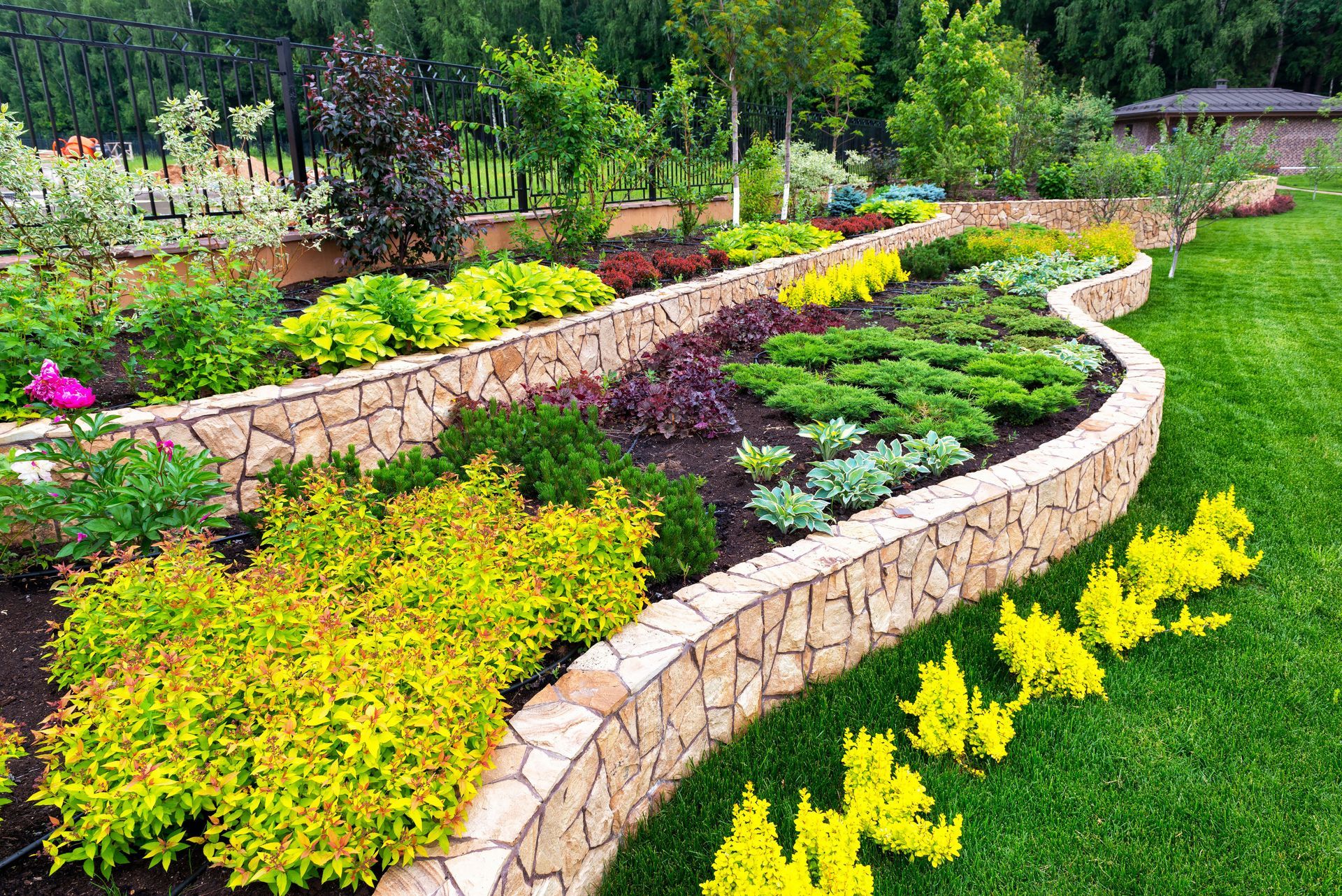
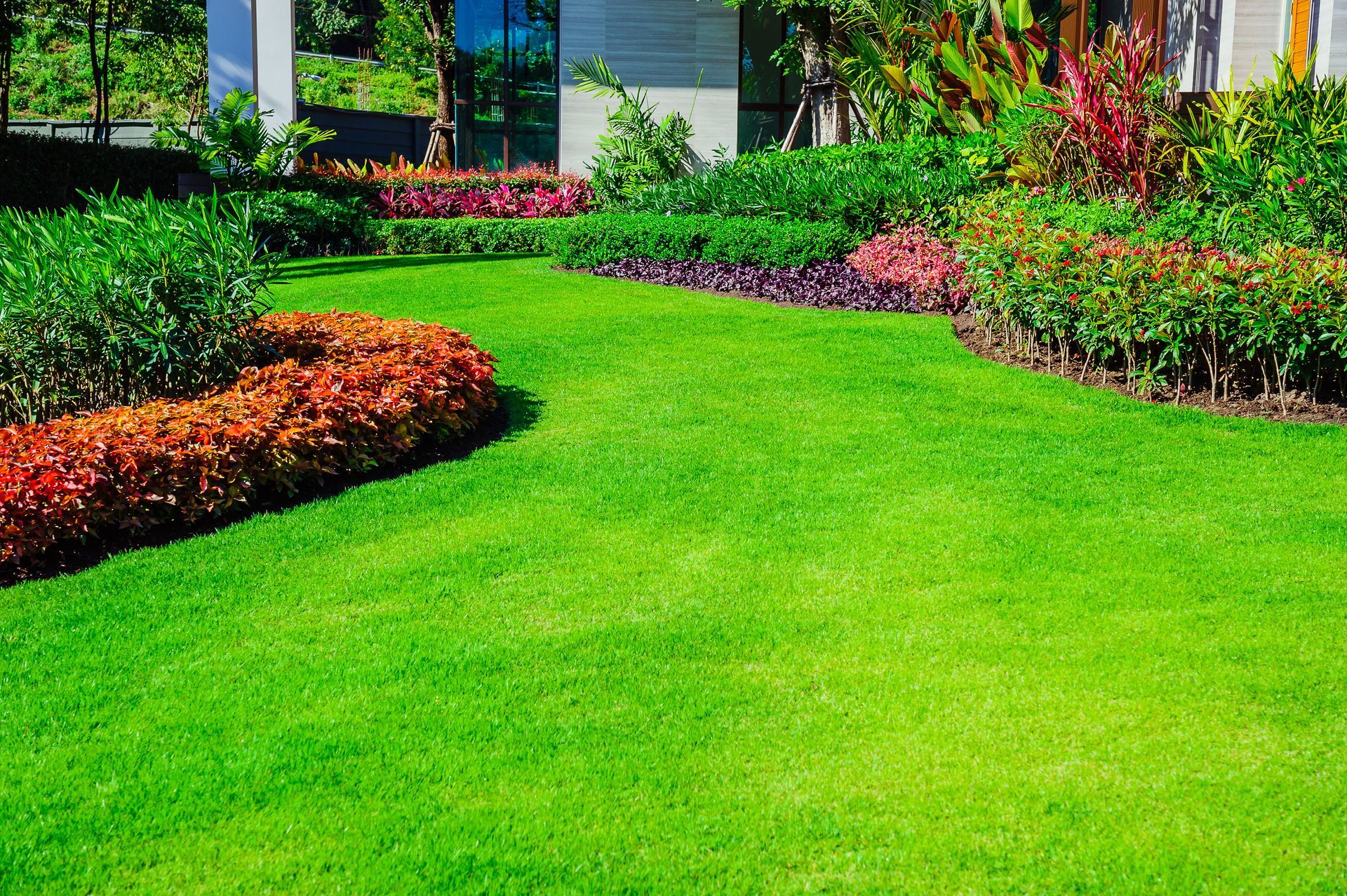
A frequent challenge in small yards is the visual perception of tight boundaries. To counteract a feeling of confinement, local landscape planners utilize horizontal and vertical layering techniques. Placing taller, fine-textured foliage along rear perimeters while arranging broader, darker plants toward the foreground creates an optical illusion of greater depth. Varying plant heights, leaf shapes, and flower colors prevents a small garden from looking flat or crowded. Additionally, local landscape planners avoid overplanting by selecting slow-growing species that maintain their compact form over many seasons without overwhelming nearby walkways or patio surfaces. Strategic placement of subtle ground covers along borders can further soften structural edges and expand perceived dimensions. This intentional arrangement ensures the layout remains balanced as vegetation fills in over time.
Integrating Multi-Functional Hardscape Elements
Hardscaping serves as the structural backbone of a compact garden, but square footage must be managed carefully. Professional local landscape planners frequently incorporate multi-functional hardscape elements to conserve ground space while maximizing utility. Retaining walls double as built-in seating ledges, custom planters serve as privacy barriers, and raised stone platforms define distinct outdoor dining zones. Carefully selecting slim-profile materials and vertical storage solutions further prevents these features from consuming valuable floor space. By minimizing separate furniture items, local landscape planners keep walkways clear and maintain an open flow across the yard, ensuring every square foot fulfills both functional and visual purposes.
Utilizing Vertical Elevation and Wall Space
When horizontal ground space is scarce, going vertical is an essential strategy. Experienced local landscape planners turn plain walls, wooden fences, and structural trellises into vibrant green vertical features. Hanging planter systems, climbing vines, and tiered wall pots allow foliage to flourish without taking up precious floor area. Incorporating verticality draws the eye upward, making compact yards feel larger and more open. Moreover, local landscape planners strategically place vertical gardens to screen neighboring views, reduce ambient noise, and create private, secluded atmosphere pockets within tight residential properties.
Selecting Scale-Appropriate Foliage and Hardscaping Materials
Scale and proportion are critical when designing for small areas. Oversized patio pavers, massive boulders, or fast-growing shade trees easily overwhelm a modest garden and disrupt its visual balance. Dedicated local landscape planners carefully calibrate the proportions of all materials to fit the surrounding environment. Medium-format pavers, narrow-columnar trees, and dwarf shrub varieties maintain harmony with the home structure. By curating materials that fit the actual scale of the property, local landscape planners ensure that pathways remain walkable, living areas remain open, and plants do not choke out natural sunlight.
Optimizing Water Drainage and Soil Quality
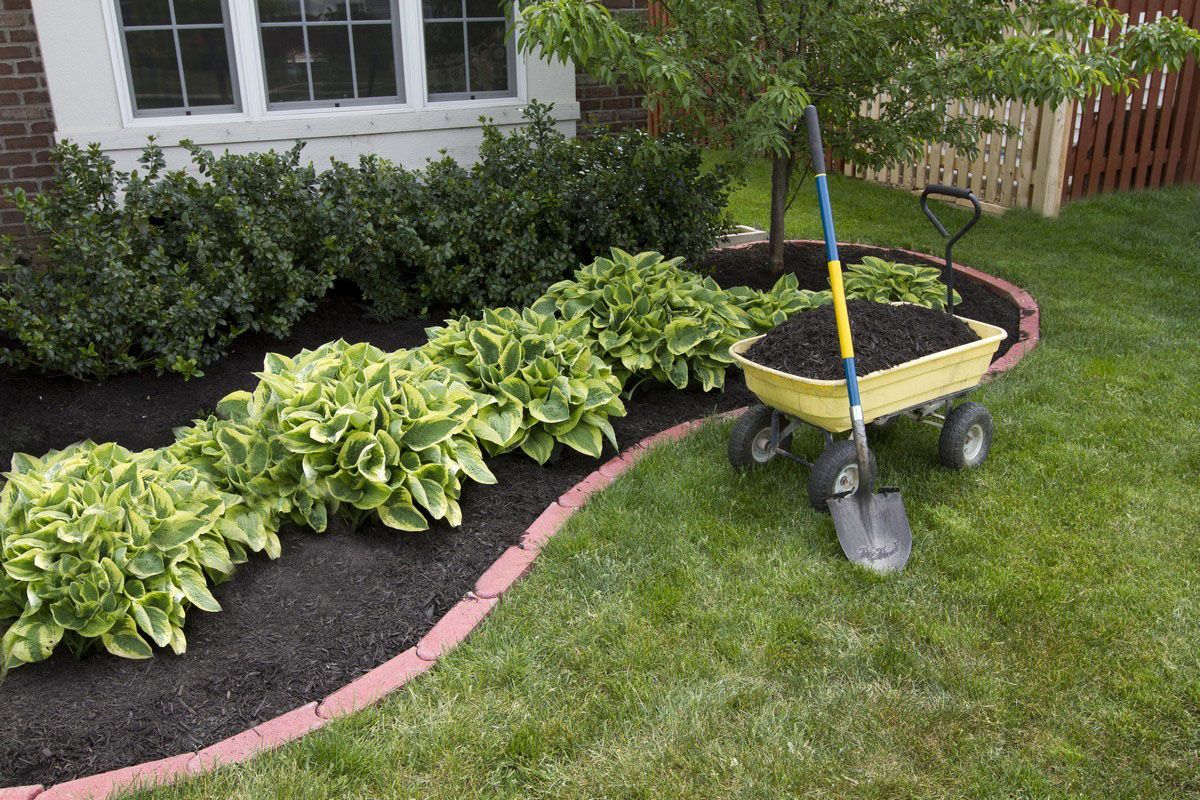
Compact yards often suffer from poor air circulation and water retention issues caused by surrounding foundations, concrete pads, and solid fences. Qualified local landscape planners prioritize underlying infrastructure, including soil preparation and custom drainage networks. Installing French drains, permeable pavers, and balanced soil amendments prevents standing water from damaging plant roots or disturbing hardscape footings. By addressing water runoff and soil quality during the initial site setup, local landscape planners establish a stable, healthy foundation that supports lush growth in tight spaces year after year.
Designing Custom Focal Points to Guide the Eye
Strategic focal points give a small garden clear visual organization and purpose. Without a clear centerpiece, a compact space can feel cluttered or disjointed. Creative local landscape planners install deliberate focal points, such as compact water features, sculpted stone urns, or custom lighting arrangements, at the end of sightlines. These elements draw attention through the garden and anchor the overall design layout. By guiding how a viewer experiences the landscape, local landscape planners create a cohesive journey that makes the entire outdoor area feel intentional and expansive.
Enhancing Privacy Through Strategic Screening
Residential homes on smaller lots often sit close to neighboring structures, making privacy a primary concern for homeowners. Rather than relying solely on high, continuous fencing that can make a yard feel boxy, skilled local landscape planners build natural privacy screens. Slender evergreen hedges, ornamental grasses, and decorative lattice panels lined with climbing jasmine provide soft, natural barriers. These living screens buffer unwanted noise and block direct lines of sight while allowing natural air movement and sunlight to enter the garden space seamlessly. Strategically angling these natural elements helps maintain an open view of the sky without compromising personal seclusion.
Incorporating Low-Voltage Outdoor Lighting
Outdoor lighting extends the functional usability of a compact garden long into the evening hours. Well-placed fixtures highlight vertical garden walls, illuminate pathway edges, and cast soft illumination onto decorative hardscape surfaces. Professional local landscape planners utilize energy-efficient low-voltage LED systems configured to accentuate depth and shadow play. By casting light onto perimeter features and keeping central pathways softly lit, local landscape planners expand the perceived dimensions of the yard after dark, transforming small backyards into inviting nocturnal sanctuaries.
Planning Long-Term Maintenance and Growth Pathways
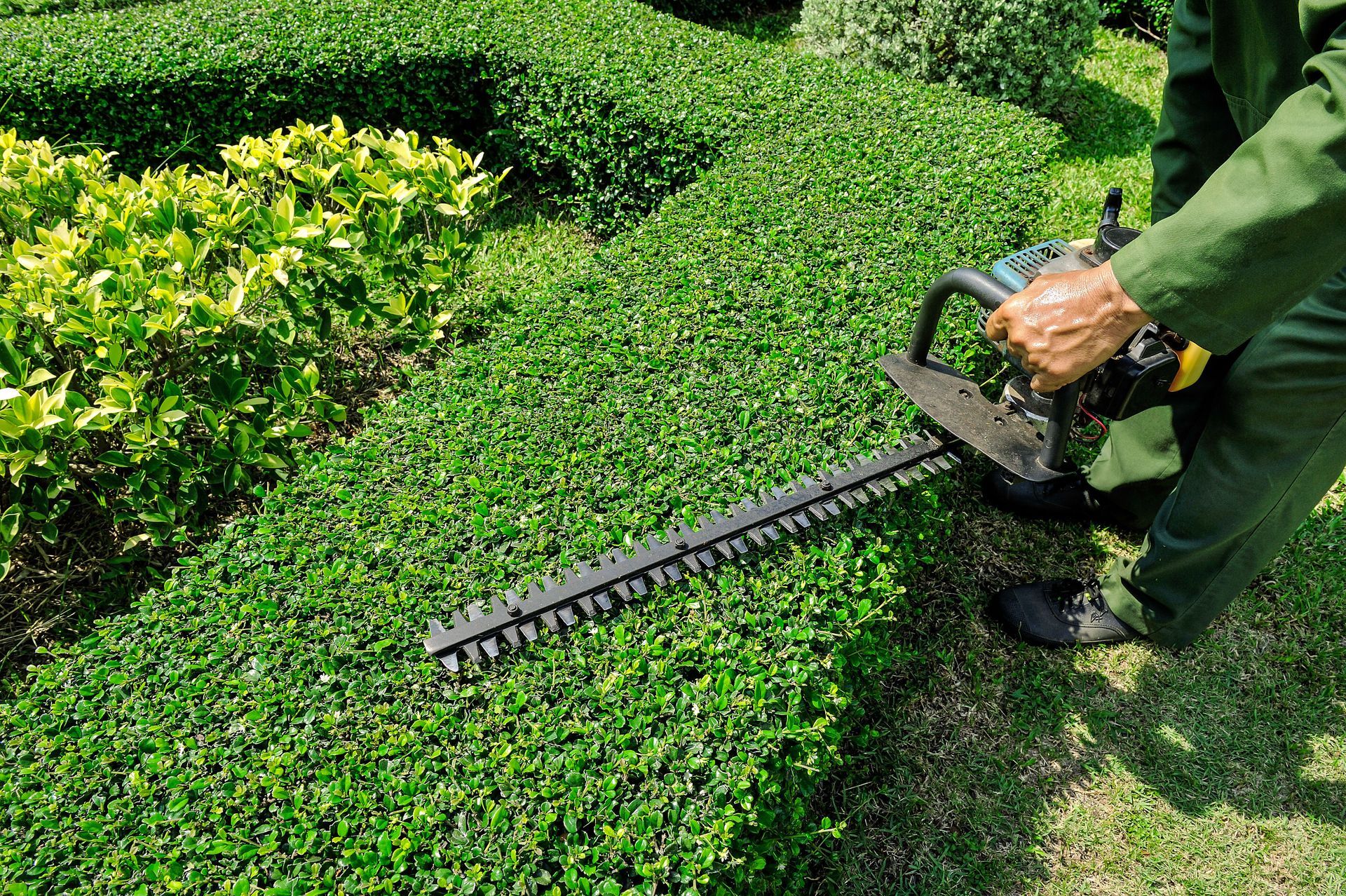
A compact garden requires long-term foresight during the initial design stage to prevent overcrowded growth over time. Plants that look small in nursery containers can quickly overpower a tight footprint if mature dimensions are ignored. Knowledgeable local landscape planners choose cultivars with predictable, compact growth habits and establish defined maintenance pathways for easy routine care. By factoring in growth patterns, root depth, and seasonal changes from day one, local landscape planners ensure that the outdoor environment remains balanced, healthy, and visually appealing as it matures.
Transforming a compact outdoor area into a functional, beautiful garden requires careful balance, detailed site analysis, and expert design execution. Through proper scale selection, vertical plant arrangements, integrated hardscapes, and effective lighting designs, small footprints can offer immense beauty and utility. Working with experienced exterior design professionals ensures every inch of your property is optimized to its fullest potential. To explore complete design, installation, and ongoing maintenance options tailored to your home's unique layout, reach out to Stuart and Sons Quality Lawn Care to start planning your ideal outdoor space today.